Kimberley
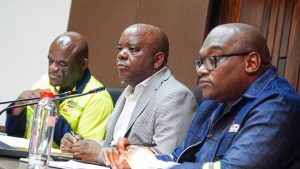
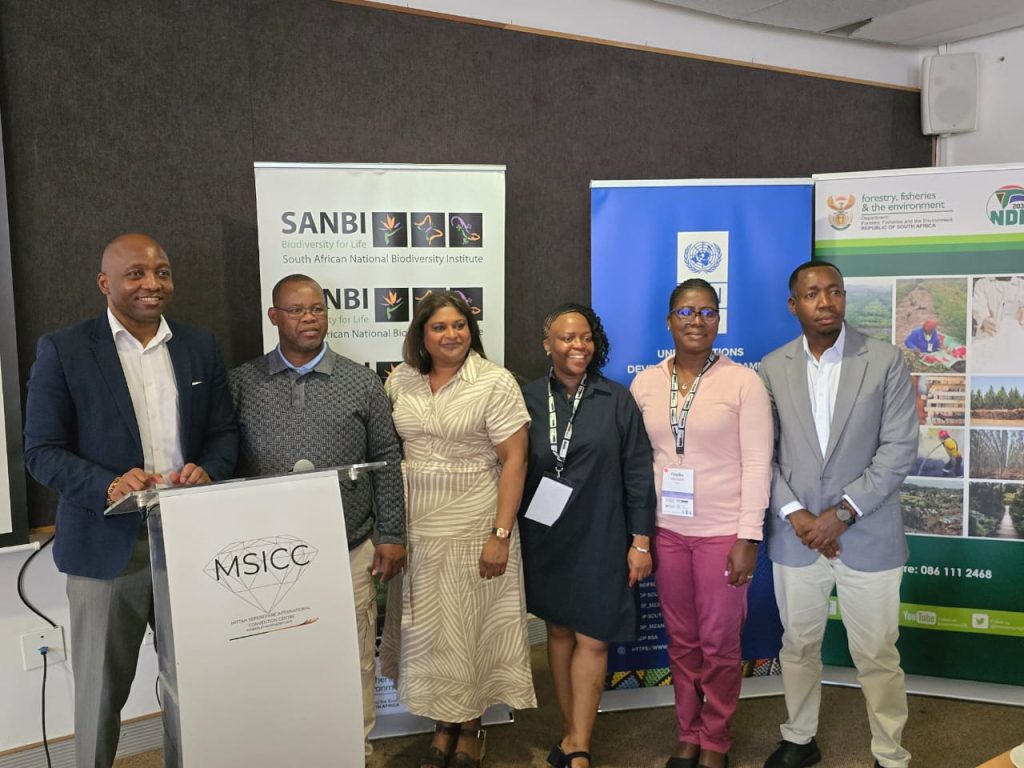
The Northern Cape Department of Agriculture, Environmental Affairs, Rural Development and Land Reform (DAERL), through its Head of Department (HOD), Mr Zolile Monakali, has assured conference delegates of the Department’s unwavering support for the Global Environment Facility 8 (GEF 8) Conservation, Development and Livelihoods projects in the Northern Cape.
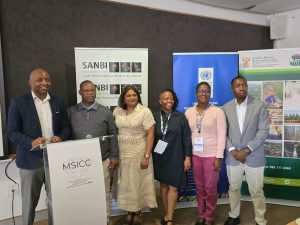
The GEF 8 Conservation, Development and Livelihoods for Thriving People and Nature project launch featured engagements focused on securing nature’s contribution to people, land and livelihoods, as well as validation sessions aimed at strengthening conservation and sustainable development initiatives.

The Diamond & Dorings Kimberley Big Hole Marathon is back for 2026!
Get ready to experience one of South Africa’s most iconic races once again as
you run through the historic city of Kimberley and become part of an
unforgettable marathon tradition once again.
Diairise the 24th and 25th of October 2026!
We’re going bigger and better this year
The Northern Cape and Limpopo provinces have the highest proportion of areas classified as Critical Biodiversity Areas in the country. South Africa has extensive spatial data and information that can be used to identify areas where biodiversity loss resulting from development objectives could be mitigated through proactive conservation measures and biodiversity offsets.
The GEF 8 project presents several opportunities, including:
* Biodiversity conservation
* Sustainable land management
* Economic benefits for landowners
* Enhancement of ecosystem services
Mr Monakali emphasised that conservation plays a meaningful role in promoting socio-economic development and transformation. He reaffirmed DAERL’s commitment to the successful implementation of the project and highlighted the importance of strengthening collaboration among all stakeholders to ensure that local communities benefit from conservation and sustainable development initiatives.
The conference brought together government, traditional authorities, communities, landowners, conservation organisations, the private sector, academia, young people, and partners to share experiences, reflect on progress and strengthen collaboration around the conservation and sustainability use of biodiversity