By Rorisang Rampheteng
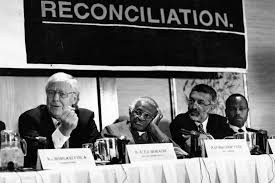
A legal battle involving former South African presidents and a judicial commission investigating stalled apartheid-era prosecutions has intensified in the High Court in Johannesburg. The case centres on the work of a commission tasked with examining why many cases identified by the Truth and Reconciliation Commission (TRC) were never prosecuted.
At the heart of the matter is an application brought by former president Jacob Zuma, with former president Thabo Mbeki later joining the case. The commission’s leadership has filed an answering affidavit defending the legality and importance of its investigation.

The Diamond & Dorings Kimberley Big Hole Marathon is back for 2026!
Get ready to experience one of South Africa’s most iconic races once again as
you run through the historic city of Kimberley and become part of an
unforgettable marathon tradition once again.
Diairise the 24th and 25th of October 2026!
We’re going bigger and better this year
Commission Defends Its Work
The answering affidavit was submitted by Advocate Ishmael Semenya, the Chief Evidence Leader of the Judicial Commission of Inquiry. In the document, Semenya explains that the commission was established to investigate allegations that political leaders or government officials interfered with the investigation or prosecution of TRC-related crimes.
According to the affidavit, the commission’s role is to determine whether attempts were made to prevent the prosecution of individuals who were implicated in serious human rights violations during the apartheid era.
The commission argues that its work is necessary to uncover the truth about why many TRC cases were not pursued despite recommendations that prosecutions should take place.
Zuma Challenges Commission
Former president Jacob Zuma launched the application challenging the commission and its leadership. His legal challenge seeks to question aspects of the commission’s authority and the way it has conducted its investigation.
In the court papers, Zuma argues that the commission’s actions may be unlawful and that certain findings or processes should be reviewed.
The respondents in the case include the commission’s chairperson, Justice Sisi Khampepe, several commissioners, and other officials involved in the inquiry.
The National Prosecuting Authority (NPA), the Minister of Justice and Constitutional Development, and the President of South Africa are also cited in the proceedings.
Mbeki Joins the Case
Former president Thabo Mbeki has also joined the legal challenge. According to the affidavit, Mbeki indicated in his own court papers that he wanted to be added as a co-applicant alongside Zuma.
As a result, the answering affidavit addresses the claims made by both former presidents.
The case highlights the ongoing debate about political responsibility and accountability in relation to apartheid-era crimes that were documented by the TRC but never prosecuted.
Focus on Stalled Apartheid-Era Cases
The commission’s investigation focuses on allegations that political decisions may have delayed or prevented the prosecution of individuals involved in apartheid-era human rights violations.
The TRC, which operated in the late 1990s, granted amnesty to individuals who fully disclosed politically motivated crimes. However, cases where perpetrators did not receive amnesty were meant to be pursued through the criminal justice system.
Many of those cases were never prosecuted, raising concerns among victims’ families and civil society groups.
The commission aims to determine whether political interference or other factors prevented justice from being served.
Broader Implications for Justice
The legal challenge has significant implications for South Africa’s efforts to address unresolved crimes from the apartheid period.
Supporters of the commission believe the inquiry is essential for accountability and transparency, particularly for families who have waited decades for justice.
However, critics argue that the commission’s approach could raise constitutional and legal concerns, especially when it involves the actions of former political leaders.
The High Court will ultimately decide on the legal issues raised in the application. Its ruling could determine whether the commission will continue its investigation in its current form.
For many South Africans, the outcome of the case may shape the country’s ongoing struggle to confront the legacy of apartheid and ensure that justice is finally delivered to those affected by past human rights violations