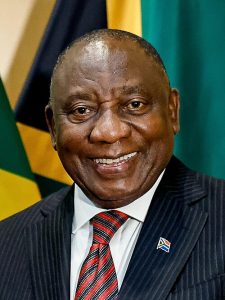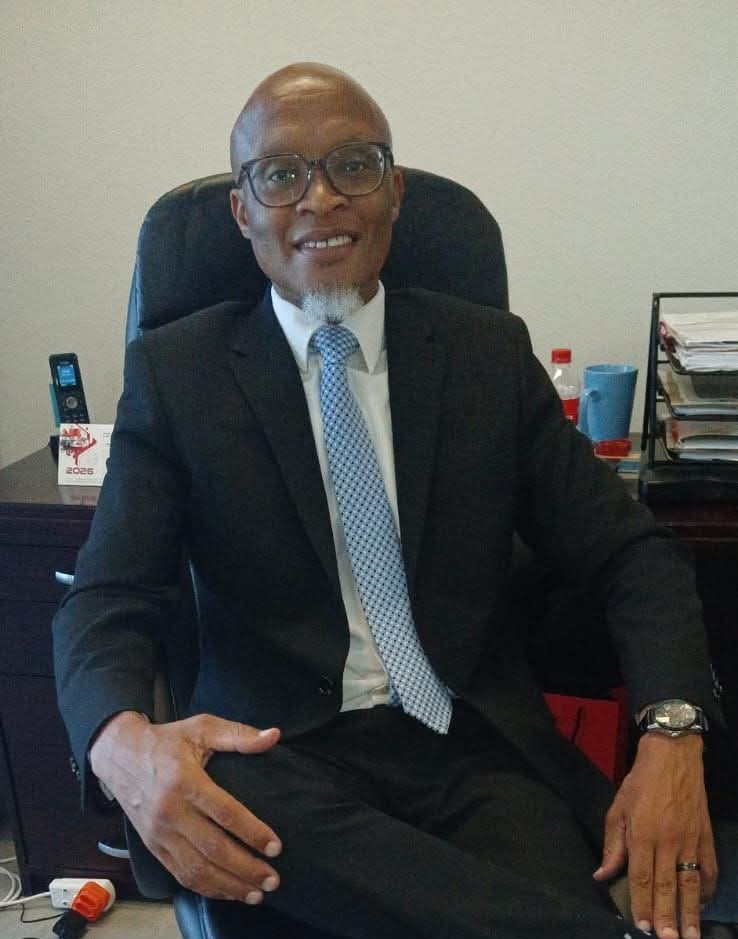
By Monwabisi Nkompela Head of Communication, Office of the Premier, Northern Cape.
By Monwabisi Nkompela
Mental health is an essential part of human well-being, yet it remains a difficult subject for many men to discuss openly. Across our communities, men are often expected to be strong, provide for their families, solve problems and face life’s challenges without showing vulnerability. But behind this expectation lies an important question: who takes care of the men who are struggling?
For generations, society has reinforced the belief that men should not cry, express emotional pain or ask for help. Phrases such as “men don’t cry” and “be strong” may appear harmless, but they can discourage men from acknowledging their struggles. Consequently, some men suffer in silence, fearing that speaking about their feelings will be interpreted as weakness.
It is time to change this narrative.
Men experience mental health challenges just as anyone else does. Depression, anxiety, grief, loneliness and overwhelming stress can affect men regardless of their age, background or professional status. Financial pressures, unemployment, relationship difficulties, family responsibilities and uncertainty about the future can further contribute to emotional distress.
In communities across the Northern Cape and throughout South Africa, we must create environments where men feel safe to speak about these challenges without fear of judgement or discrimination.
True strength is not the absence of struggle; it is the courage to acknowledge when support is needed.
Mental health challenges do not always present themselves in obvious ways. A man who is struggling may become withdrawn, unusually irritable, angry or lose interest in activities he once enjoyed. Changes in sleeping patterns or increased reliance on alcohol and other substances may also indicate that something is wrong. While these signs do not necessarily mean a person has a mental health condition, persistent changes deserve attention and, where appropriate, professional assessment.
We must learn to look beyond appearances and genuinely ask the people around us how they are doing.
Families, workplaces, schools, churches, sports clubs and community organisations all have an important role to play in breaking the stigma surrounding men’s mental health. A simple conversation can open the door to support. Listening without judgement, offering encouragement and helping someone access professional assistance can make a meaningful difference.
We must also challenge harmful stereotypes about masculinity. Men should be encouraged to understand that seeking help from a healthcare professional, psychologist, counsellor or social worker is not a sign of failure. It is a responsible step towards protecting their well-being and improving their quality of life.
As communicators, we have a responsibility to promote awareness, share accurate information and use language that encourages understanding rather than stigma. The conversations we facilitate can help create a society in which mental health is treated with the seriousness it deserves.
Government, civil society, healthcare professionals and community leaders must continue working together to promote mental health education and improve access to appropriate support. Awareness initiatives should extend beyond commemorative campaigns and become part of our everyday engagement with communities.
Importantly, we must remember that men should not be expected to carry the responsibility for their well-being alone. Strong support systems, meaningful relationships and accessible professional services are essential. We must build communities where people feel comfortable asking for help and where those who reach out are met with compassion.
The message to every man is simple: you do not have to suffer in silence. You can be a father, husband, brother, colleague or leader and still experience difficult emotions. You can be strong and still need support.
As a society, let us raise boys who are emotionally strong and can deal with these challenges.
The time to break the silence is now!